
Starting a new website today feels significantly different than it did a decade ago. Back then, you could register a brand new domain name, publish a handful of decent articles, and see your pages appearing on the first page of search results within weeks. Nowadays, the digital landscape is far more competitive and search engines have become much more cautious about which new sites they trust. This has led many savvy digital entrepreneurs to move away from fresh registrations and instead spend their time browsing an aged domain marketplace to find a head start.
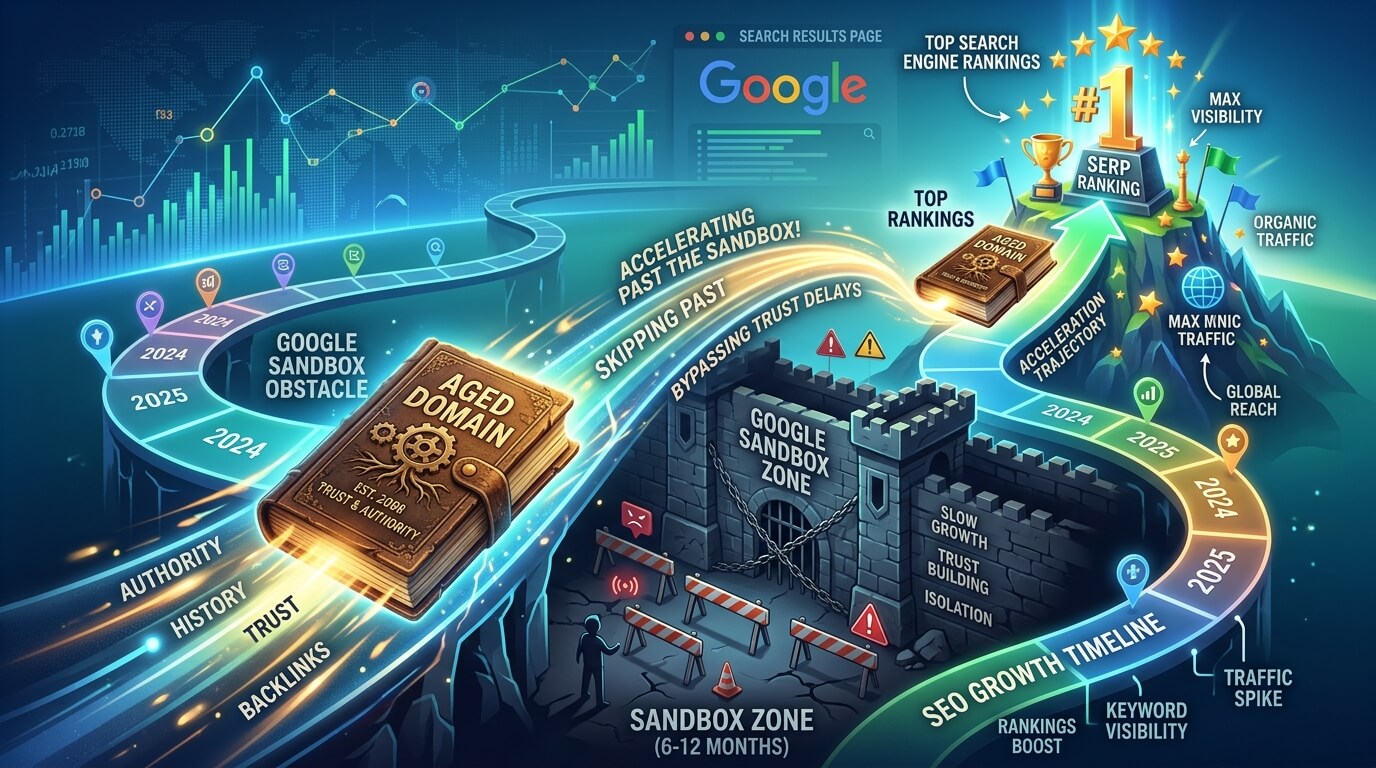
When you register a brand new domain, you are essentially starting with a reputation of zero. Search engines like Google often put these new sites into a metaphorical sandbox, a period where they observe the site to ensure it is not a spam operation. This waiting game can last six months or even a year, which is a long time to wait when you are trying to build a profitable business. This is why the concept of buying a domain with history has become so popular. By using an aged domain marketplace, you are essentially buying a shortcut through that initial period of obscurity.
What an aged domain marketplace actually offers you
At its core, an aged domain marketplace is a platform where you can find domain names that have been previously registered and, more importantly, have a history of backlinks and authority. These are not just old names that have sat idle for years; the best ones are domains that once hosted active websites with high-quality content and legitimate links from reputable sources like news outlets, universities, or industry blogs.
When you acquire a domain through a reputable aged domain marketplace, you are inheriting the digital footprint left behind by the previous owner. This footprint includes:
- An established backlink profile that would take years to build from scratch.
- Existing domain authority that signals trust to search engine algorithms.
- A history of being indexed, which often helps new content get discovered faster.
- Potential existing traffic if the domain was recently active.
The goal is to find a domain that aligns with your intended niche. If you want to start a site about gardening, finding a domain that previously belonged to a specialised nursery or a horticultural society gives you an immediate advantage over someone starting with gardeningtips101.com which has no history at all.
Why the history of a domain matters so much
In the world of SEO, authority is the currency that matters most. Search engines use complex algorithms to determine which sites are trustworthy enough to show to users. One of the primary ways they measure this is through the quality and quantity of external websites linking back to that domain. Building these links manually is an arduous process that involving outreach, networking, and a lot of patience.
By utilising an aged domain marketplace, you are effectively leapfrogging the most difficult part of the SEO journey. Instead of spending your first year begging for guest posts or trying to get noticed by journalists, you start on day one with a site that already has those ‘votes of confidence’ from other websites. This doesn’t mean you can ignore content quality, but it does mean that your high-quality content is much more likely to be rewarded with high rankings much sooner than it otherwise would be.
How to navigate these platforms effectively
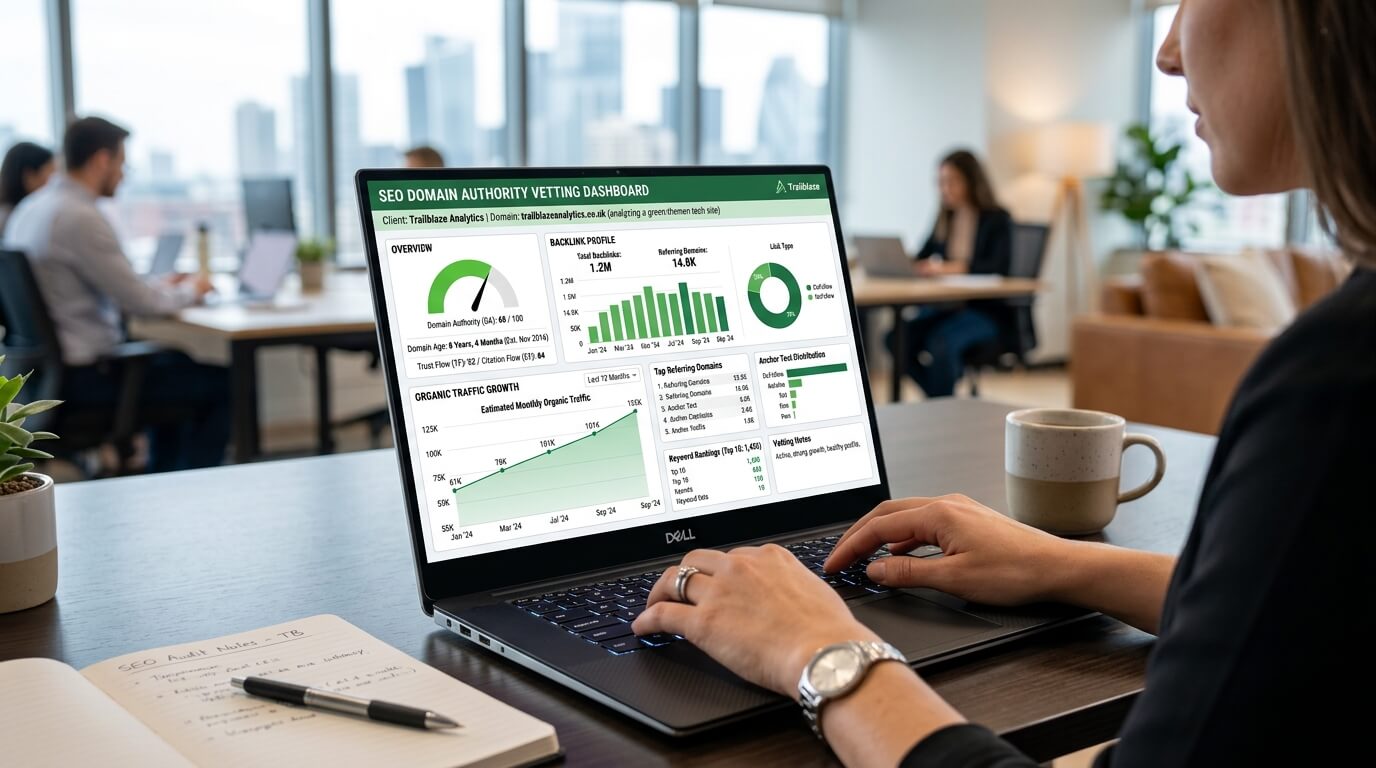
Not all domains found on an aged domain marketplace are created equal. In fact, buying the wrong one can sometimes be worse than starting with a new one. You need to be methodical in how you approach your search. It is not just about the age of the domain; it is about the quality of its past life. You want to ensure that the domain has a clean history and hasn’t been used for spammy purposes or illegal activities in the past.
When you are browsing through listings, you should prioritise certain metrics and characteristics to ensure you are getting value for your money:
- Check the anchor text profile to ensure it looks natural and isn’t filled with irrelevant keywords.
- Review the Wayback Machine to see what the website actually looked like in the past.
- Examine the referring domains to see if they are from high-quality, relevant websites.
- Verify that the domain hasn’t been involved in a private blog network (PBN) previously.
The best marketplaces will do a lot of this vetting for you, but it is always wise to perform your own due diligence. You are looking for a domain that has a ‘clean’ record. If a domain has been penalised by Google in the past, it might be very difficult to get it ranking again, regardless of how many backlinks it has.
The financial logic of buying aged domains
Many people are initially put off by the price tags they see in an aged domain marketplace. A good domain might cost hundreds or even thousands of pounds, whereas a new registration costs about ten pounds. However, when you calculate the cost of SEO services, content promotion, and the time lost during the sandbox phase, the investment often pays for itself very quickly.
If you were to hire an agency to build the same level of authority that an aged domain already possesses, you would likely spend ten times the purchase price of the domain. Furthermore, the ability to generate revenue six months earlier than you would on a fresh domain has a massive impact on your return on investment. It is about viewing the domain as a business asset rather than just a web address.
Making the most of your new acquisition
Once you have secured a name from an aged domain marketplace, the work isn’t over. To truly capitalise on the existing authority, you need to be strategic about how you launch. Many experts recommend trying to keep the new content somewhat related to what the site was originally about. This helps maintain the relevance of the existing backlinks.
You should also look at the old URL structure of the site. If there were specific pages that had a lot of high-quality links pointing to them, you should consider recreating those pages or at least setting up 301 redirects to your new content. This ensures that the ‘link juice’ is preserved and directed towards your new goals. It is a process of carefully merging the old authority with your new vision to create a site that search engines recognise as both established and currently valuable.
Choosing to use an aged domain marketplace is a strategic decision that shifts your focus from building a foundation to building a house. It acknowledges that in the modern internet, time is the most valuable commodity. By starting with a domain that already has a seat at the table, you can focus your energy on creating the best possible experience for your users, knowing that the technical authority is already working in your favour behind the scenes. This approach requires a bit more upfront capital and a fair amount of research, but for those serious about their digital presence, it is often the most logical path to success in an increasingly crowded online world.

Cinthia is a freelance journalist with a passion for current affairs, lifestyle trends, and expert advice. She delivers well-researched news and actionable tips to keep readers informed and engaged.